
151 Problems, 3 Ancient Fixes: Modern Life Lessons
Explore how the Bhagavad Gita, Confucius and Stoicism offer practical ways to think about modern problems, decisions and emotions.
Read the article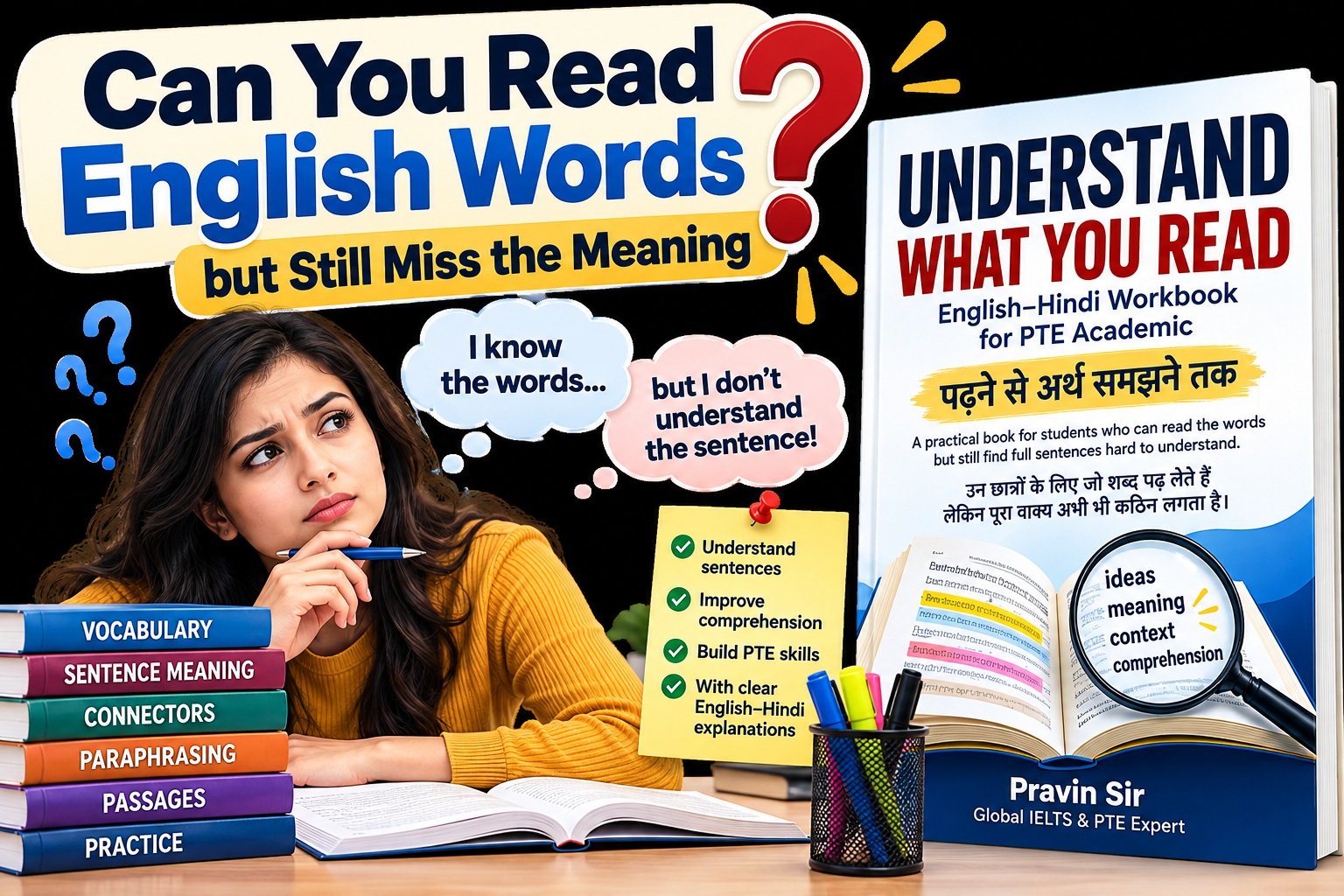
Understand What You Read: Improve Reading Comprehension
Why can students read every word but still miss the meaning? Learn practical strategies to improve reading comprehension and IELTS skills.
Read the article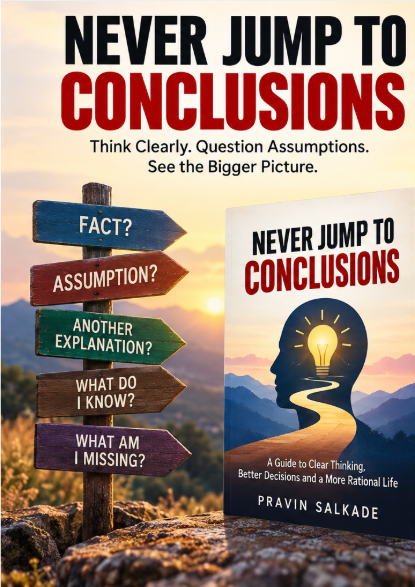
Never Jump to Conclusions: Think Better & Decide Wisely
Learn how to avoid assumptions, question first impressions and make better decisions by separating facts from interpretations.
Read the article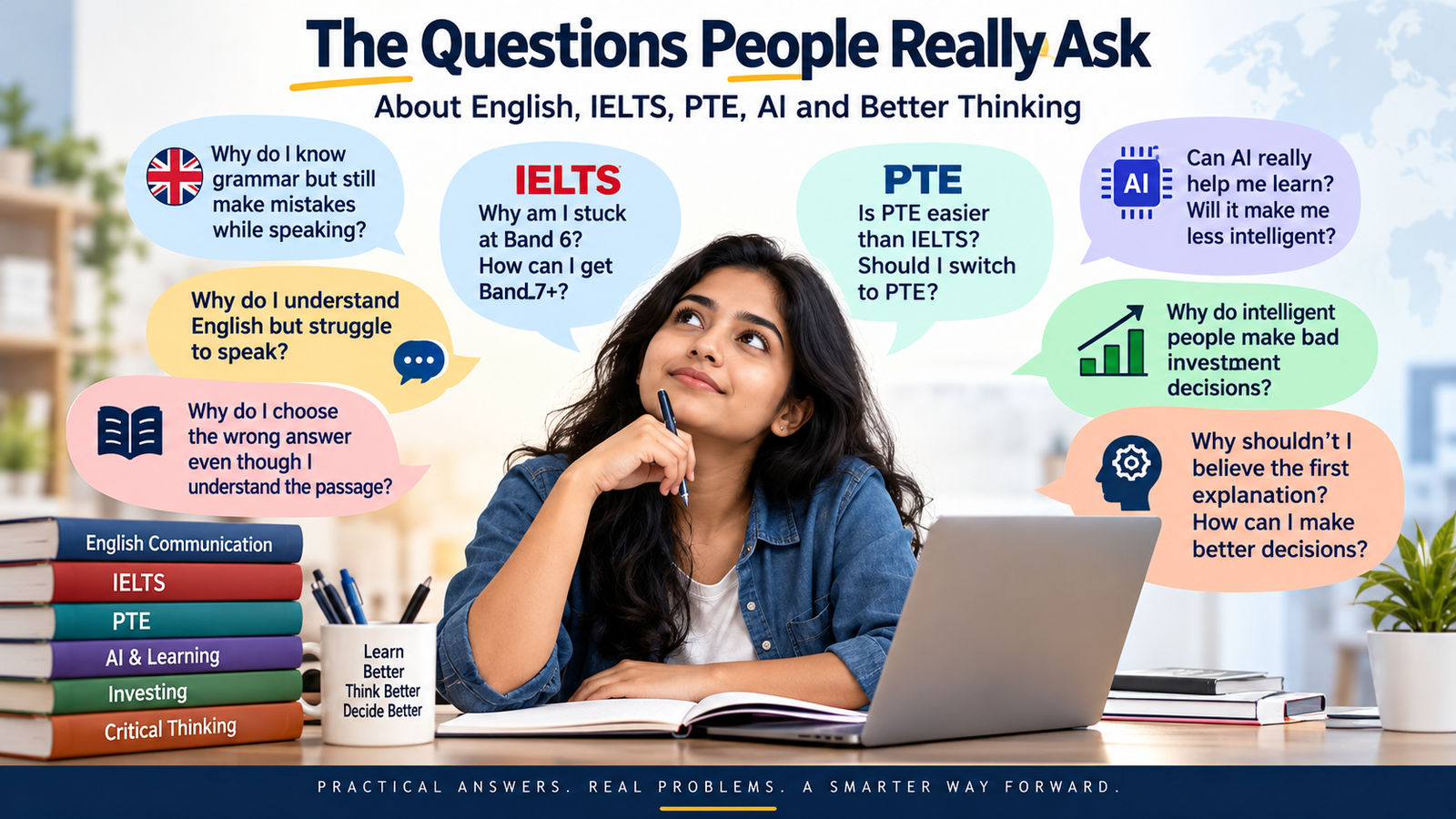
100 Questions and Answers on English, IELTS, PTE, AI & Critical Thinking
Get practical answers to real questions about English, IELTS, PTE, AI, investing and critical thinking. Learn better, communicate better and make better decisions.
Read the article
IELTS Collocations: What Are 300 Powerful Word Partnerships and How Can They Improve Your IELTS Score?
Collocations can help you produce English that sounds more natural, precise and sophisticated. In IELTS, vocabulary is not simply about knowing difficult words. You need to demonstrate that you can use vocabulary appropriately and accurately.
Read the article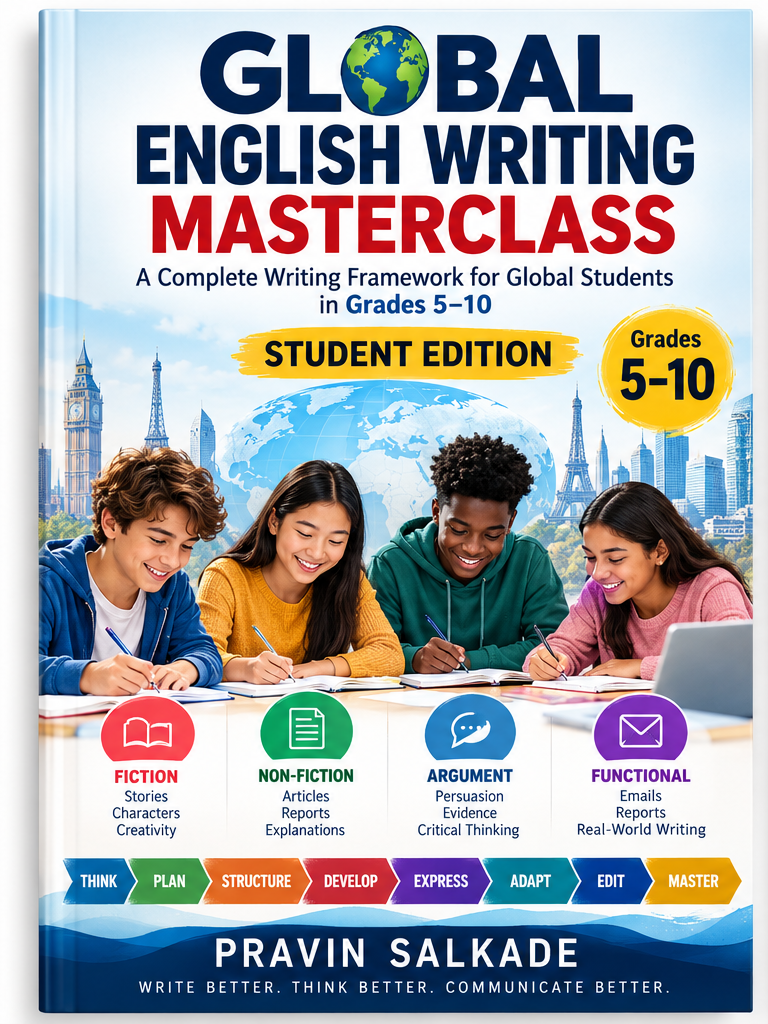
Global English Writing Masterclass: The Complete Writing Framework for Students — Q&A
How can students become better writers? Good writing is not about using complicated words everywhere. It is about having good ideas, organising them clearly, choosing appropriate language and communicating effectively. Global English Writing Masterclass: The Complete Writing Framework for Global Students in Grades 5–10 gives students a structured approach to becoming more confident writers.
Read the article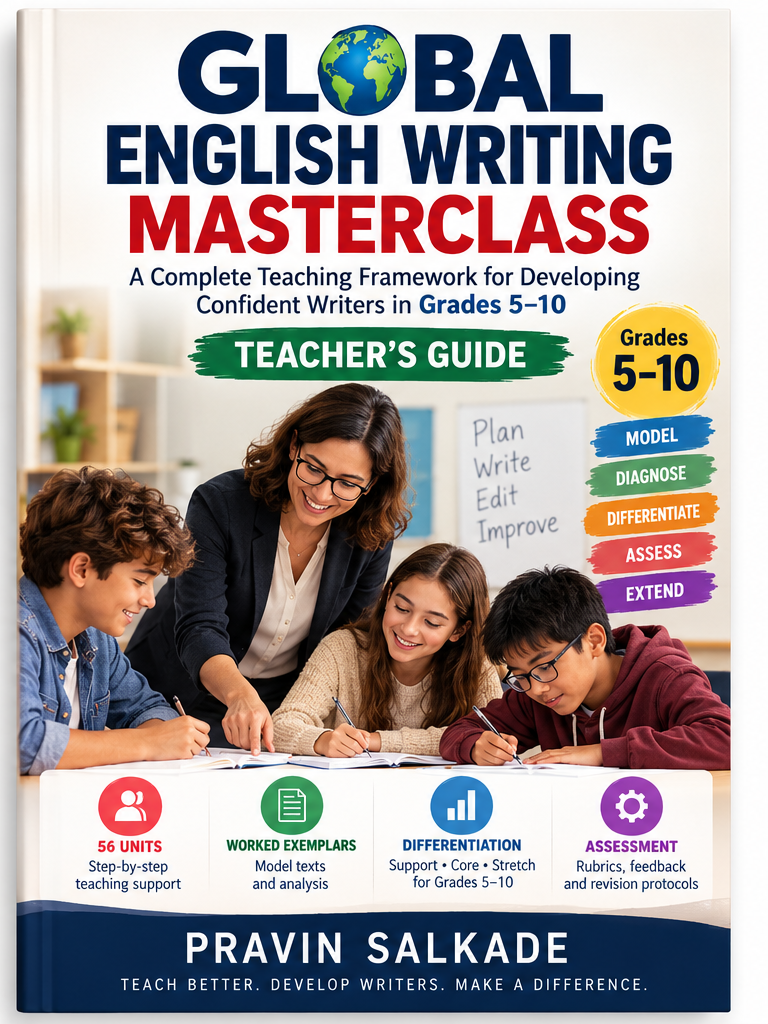
How to Teach Writing to Grades 5–10: A Q&A Guide for English Teachers
What is the best way to teach writing to students in Grades 5–10? Students need more than writing topics and corrections. An effective writing programme should teach students how to think about writing, how to organise their ideas and how to improve their first draft. The Global English Writing Masterclass: The Teacher’s Guide provides a structured framework for doing this.
Read the article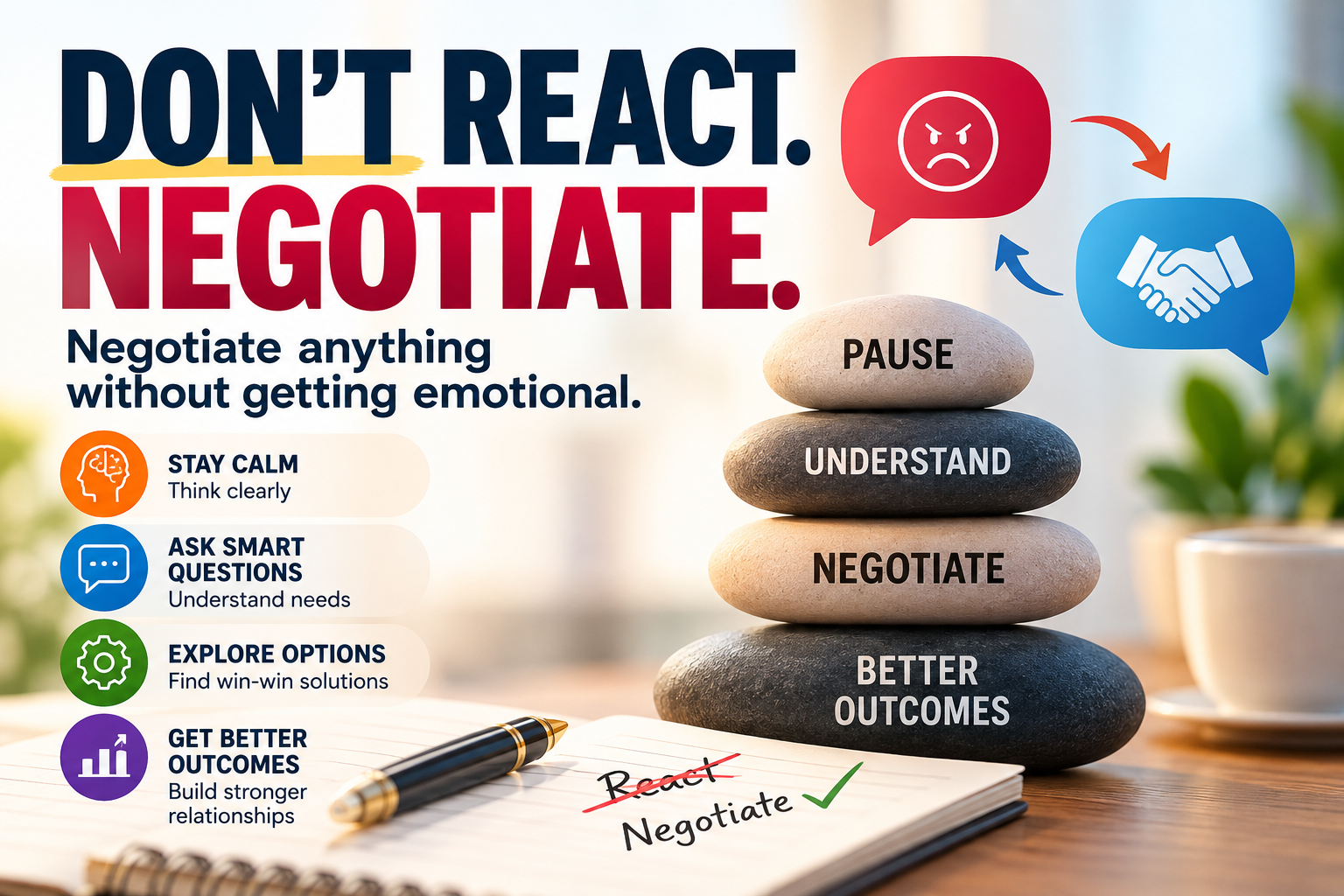
Don’t React. Negotiate. | How to Negotiate Without Emotion
Learn how to negotiate without getting emotional, handle pressure, stay calm in difficult conversations, and reach better outcomes with practical negotiation strategies.
Read the article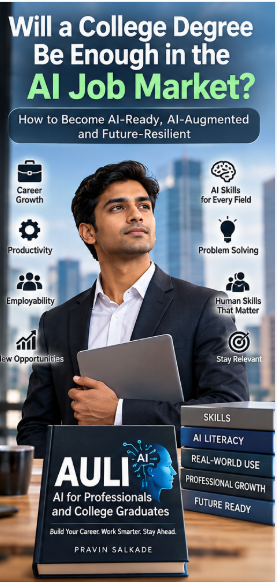
Will a College Degree Be Enough in the AI Job Market?
Which professionals will become more valuable because they know how to work effectively with AI? The difference could become significant. Two employees may have identical qualifications. One uses AI to accelerate research, analyse information, prepare drafts and explore alternatives—while checking the results carefully. The other continues working exactly as before. Their productivity gap could eventually become substantial.
Read the article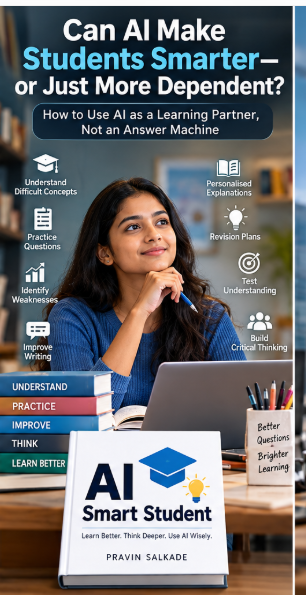
Can AI Make Students Smarter—or Just More Dependent?
A smart student can use AI to: explain difficult concepts create practice questions identify weaknesses simulate an oral examination provide alternative explanations give feedback on writing generate examples create revision plans test understanding challenge assumptions But the student should still perform the crucial intellectual work.
Read the article